On September 16, 2026, the Federal Reserve raised its benchmark interest rate to a range of 3.75%–4.00% — the first rate hike since 2023. After years of cuts and holds, this move caught many home buyers and homeowners off guard. If you're shopping for a mortgage or thinking about refinancing, here's exactly what the hike means for you.
What the Fed Actually Did
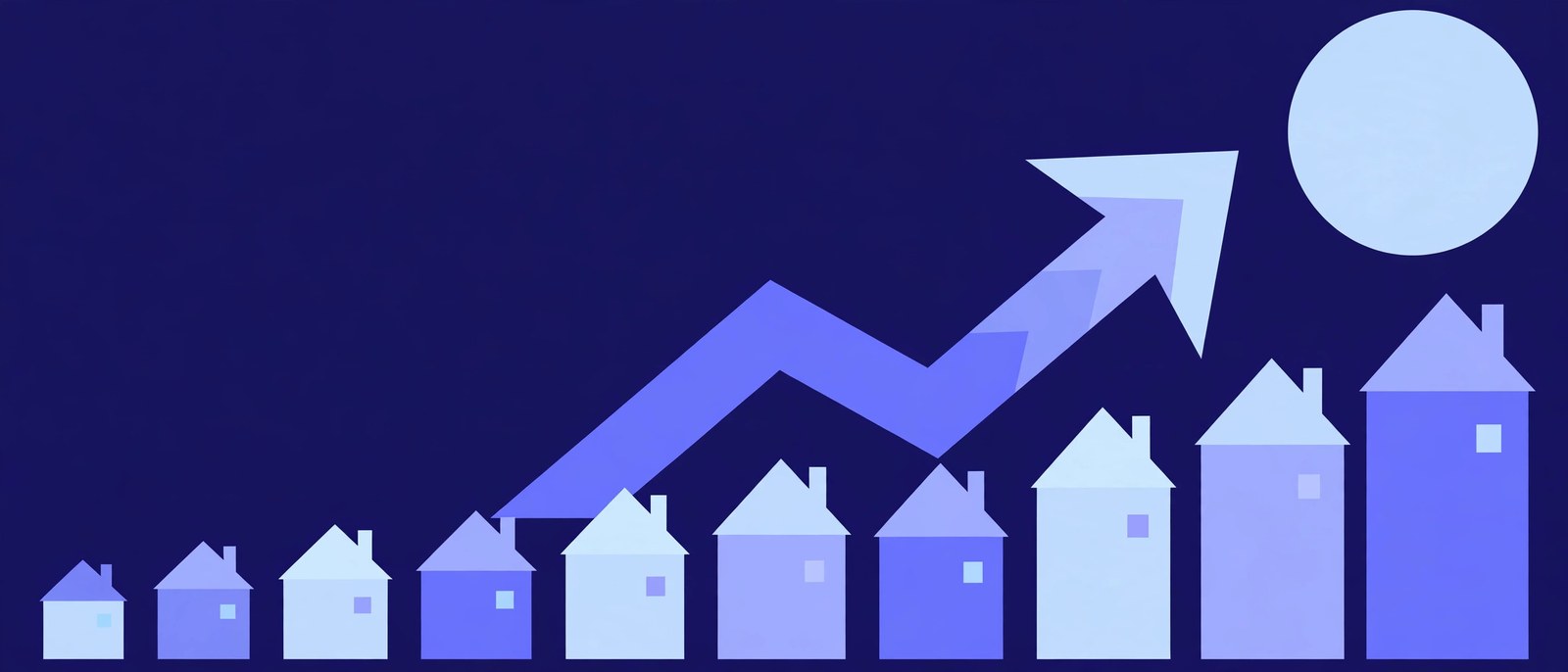
The Federal Open Market Committee (FOMC) voted to raise the federal funds rate by 0.25 percentage points, bringing the target range to 3.75%–4.00%. This is the rate banks charge each other for overnight loans — and it ripples through the entire economy, affecting credit cards, auto loans, savings accounts, and mortgages.
This was the first increase since 2023, ending a long stretch of cuts and pauses. The Fed cited persistent inflation pressure as the reason for the move.
How This Affects Mortgage Rates
Mortgage rates follow the 10-year Treasury yield more closely than the federal funds rate, but Fed hikes almost always push borrowing costs upward across the board. Here's the practical impact:
- New home buyers: Expect quoted 30-year fixed rates to stay elevated or tick higher through the fall. On a $500,000 loan, even a 0.25% rate increase adds roughly $75–$85 per month to your payment.
- ARM holders: If you have an adjustable-rate mortgage approaching reset, your new rate will likely be higher than your original. Start planning now.
- Refinancing: The window for attractive refinancing narrows with each hike. If your current rate is meaningfully above today's rates, run the numbers soon rather than waiting.
- HELOCs: Home equity lines of credit are tied closely to the prime rate, which moves with the Fed — expect your HELOC rate to rise almost immediately.
What About Savings Accounts?
There's a silver lining: high-yield savings accounts and CDs typically pay more after a Fed hike. If your cash is sitting in a checking account earning near 0%, moving it to a high-yield savings account earning 4%+ is one of the simplest wins available right now. Use our calculators below to compare what your money could earn.
Should You Buy Now or Wait?
This is the question everyone asks after a hike. Honest answer: nobody can time the market perfectly, but consider these factors:
- Your timeline: If you plan to stay in the home 7+ years, today's rate matters less than finding the right home at the right price. You can refinance later if rates fall.
- Your budget cushion: Run your numbers at a rate 0.5% higher than today's quotes. If the payment still works comfortably, you're in good shape.
- Rate lock options: Many lenders offer free 30–60 day rate locks, and some offer "float-down" options that let you capture a lower rate if markets improve before closing.
- Fall seasonality: Home prices often soften slightly in fall and winter as competition drops — potentially offsetting higher rates.
How Much Does 0.25% Actually Cost You?
| Loan Amount | Extra Monthly Cost (per 0.25% hike) | Extra Over 30 Years |
|---|---|---|
| $300,000 | ~$45/month | ~$16,200 |
| $500,000 | ~$75/month | ~$27,000 |
| $750,000 | ~$113/month | ~$40,700 |
| $1,000,000 | ~$150/month | ~$54,000 |
Approximate figures for a 30-year fixed loan. Use our mortgage calculator below for exact numbers based on your situation.
Run Your Numbers Before You Decide
See exactly what today's rates mean for your monthly payment:
Action Steps for Fall 2026
- Buying soon? Get pre-approved now and ask your lender about rate lock and float-down options.
- Have an ARM? Check your reset date and start comparing fixed-rate refinance options.
- Carrying credit card debt? Card APRs will rise with the Fed hike — prioritize paying down variable-rate debt.
- Sitting on cash? Move idle savings to a high-yield account to capture the higher rates.
- Thinking of refinancing? Don't wait for the "perfect" moment — calculate your break-even point and act if the math works.
Frequently Asked Questions
Q: Will mortgage rates keep rising after this hike?
A: Not necessarily one-for-one. Mortgage rates respond to inflation expectations and bond markets, which had partially priced in this move. But the trend pressure is upward while the Fed is in hiking mode.
Q: Should I choose a fixed or adjustable rate now?
A: In a rising-rate environment, fixed rates offer protection. ARMs only make sense if you plan to sell or refinance before the adjustment period ends.
Q: When is the Fed's next meeting?
A: The FOMC meets roughly every six weeks. Check our site for updates — we'll cover each decision and what it means for borrowers.
Q: Can I still get a good mortgage rate in fall 2026?
A: Yes. Shopping 3–5 lenders and comparing Loan Estimates remains the single best way to get a competitive rate, regardless of the Fed's moves.
Next Steps
After reading this guide:
- Use our mortgage calculator to see your payment at today's rates
- Compare offers from at least 3–5 lenders
- Ask about rate lock periods and float-down options
- Move idle cash to a high-yield savings account
- Review any variable-rate debt you carry
About This Content
LoanSHelper.ai provides free, unbiased information about mortgages, refinancing, personal loans, and personal finance. Our content is reviewed for accuracy and updated regularly to reflect current market conditions and regulations.
This content is for educational purposes. Loan terms, rates, and requirements vary by lender and individual circumstances. Consult with a mortgage professional for personalized advice.